Understanding the Difference
Understanding the difference between mentee profiles, calendar events, and service appointments (sessions) in Salesforce.
Overview
- A Mentee's Profile
- Calendar Events
- Service Appointments
1. A Mentee's Profile
The Mentee Profile is the young person’s main record.
You can open this by clicking on the young person’s name.
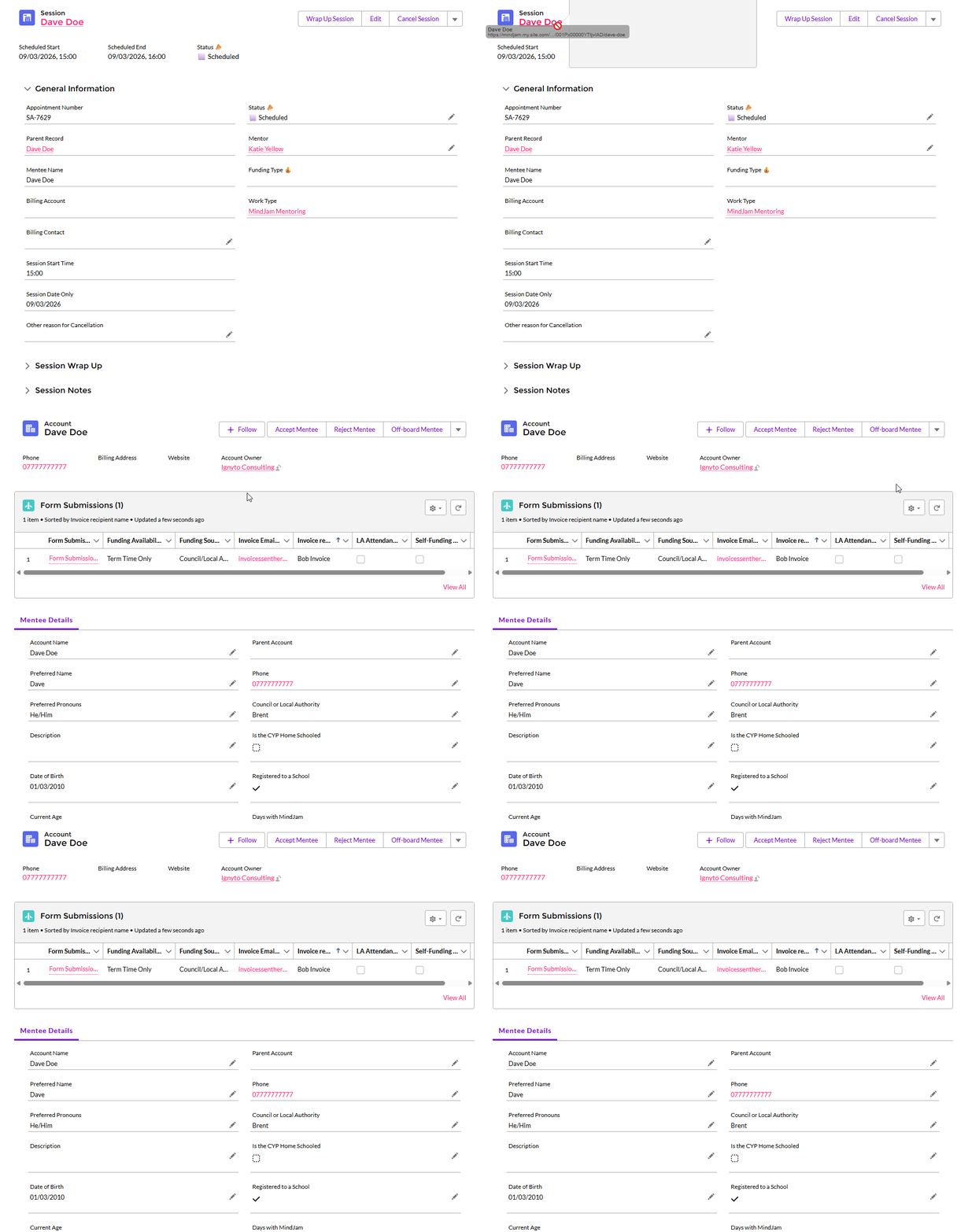
This is where you can find:
- personal details
- funding information
- games and equipment
- the original sign-up form
This is for information only.
It does not:
- schedule sessions
- confirm attendance
- record what happened in a session
2. Calendar Events
A Calendar Event is the session in your calendar.
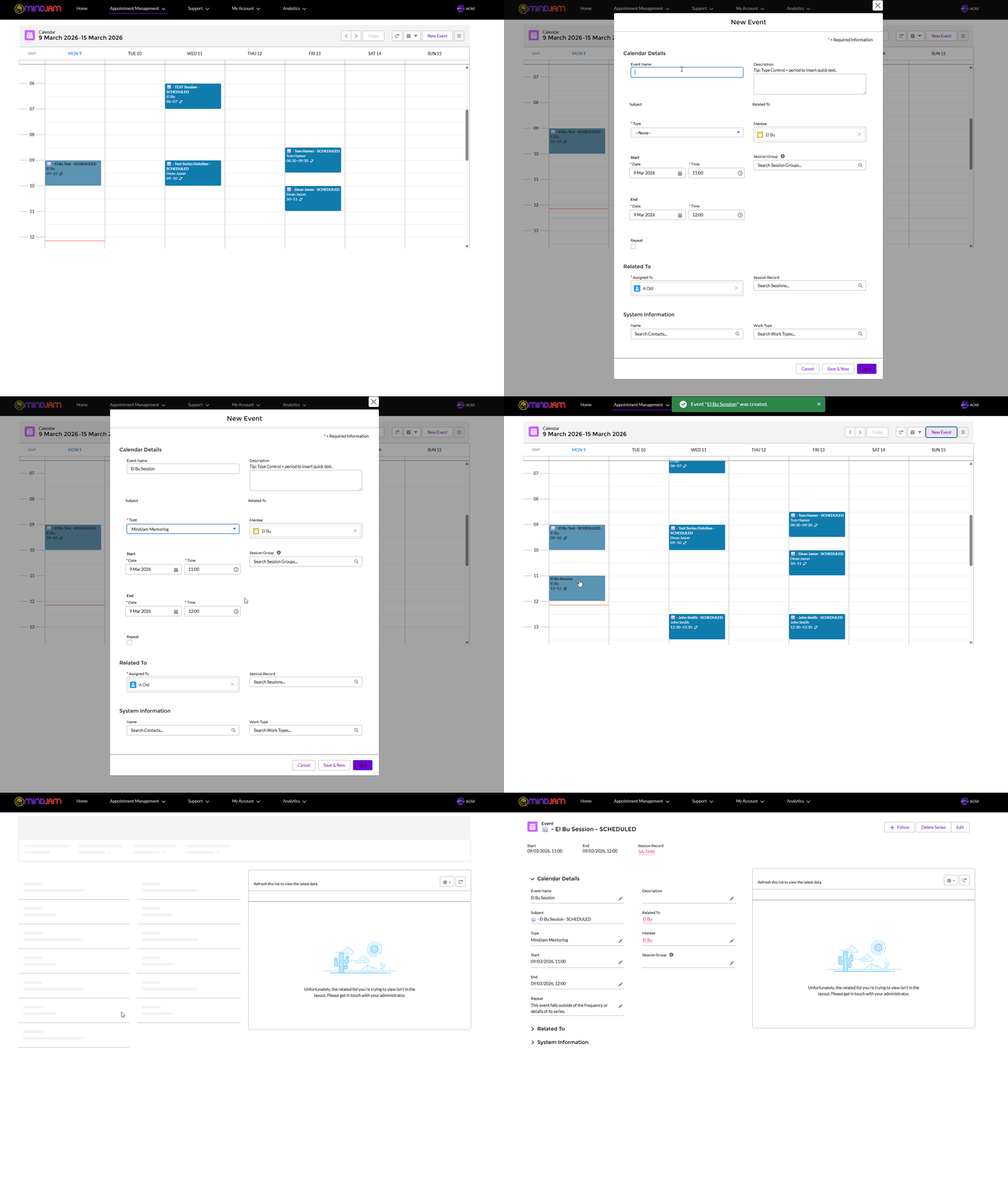
This shows:
- the date and time
- who the session is with
- the type of session
It is used to organise and manage your schedule.
It helps you plan the session, but it does not confirm that the session happened.
3. Service Appointments
A Service Appointment is created automatically when a Calendar Event is made. The Service Appointment is linked to that specific Calendar Event.
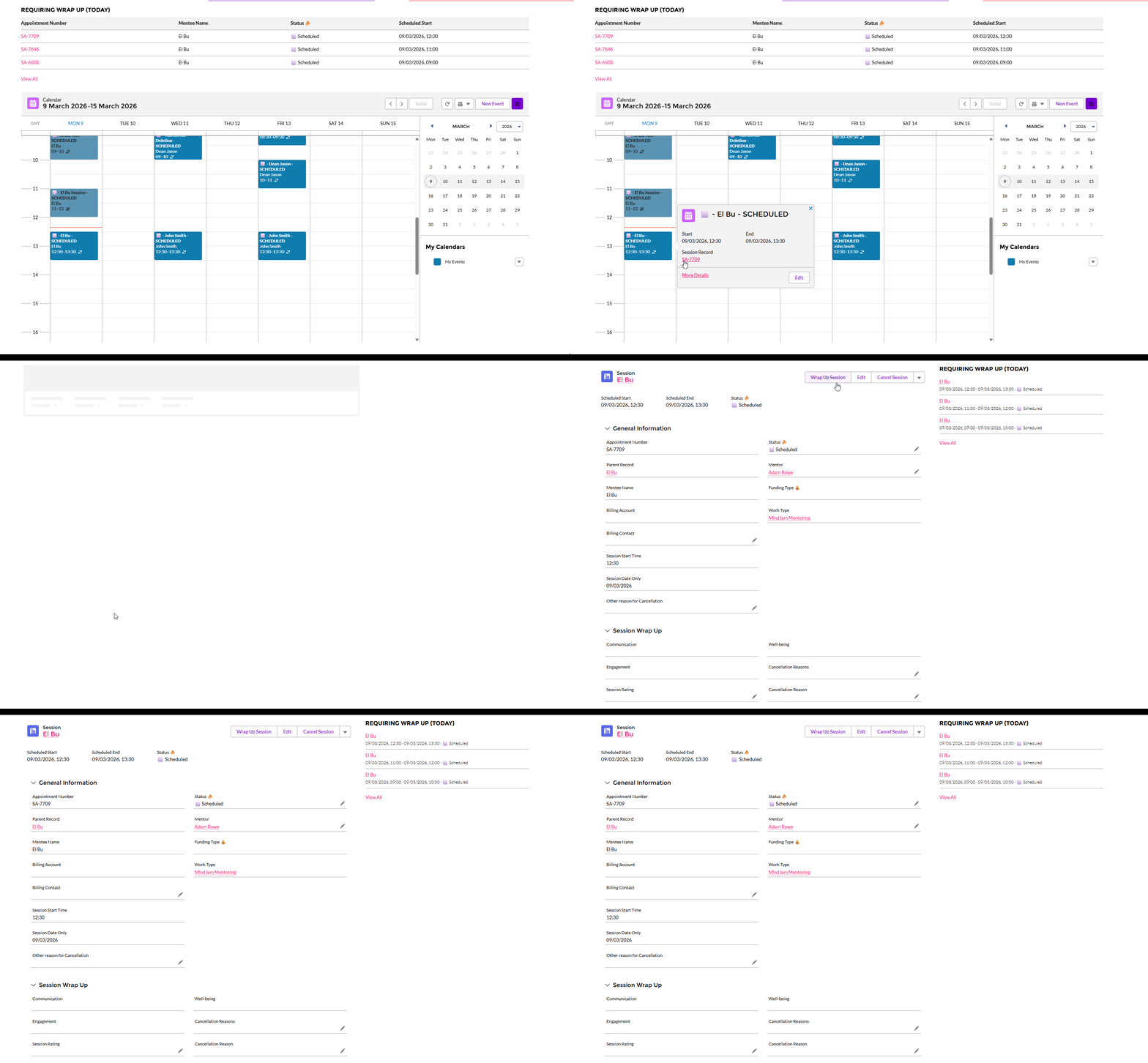
You can open it by clicking a link that starts with SA.
This is where you:
- confirm attendance
- complete the wrap up
- add session notes
- update the session status
This is what records what actually happened.
The system uses this for:
- attendance tracking
- attendance emails
- invoicing
- payment processing
Simple Way to Remember It
- A Mentee's Profile = information about the young person
- Calendar Events = the "when" and "who with" of a session
- Service Appointments = what happened in the session
Key Point
If you need to read about the young person, go to the Mentee Profile.
If you need to check or move a session, use the Calendar Event.
If you need to confirm the session took place and complete the wrap up, use the Service Appointment.